Essay
After Money
What happens when money stops being worth anything?

Intro
I want to think out loud about something that has been bothering me: what happens when money has no value. It’s about what comes after capitalism, or after the monetary system as we know it, and about the “age of abundance,” as Elon Musk and others have called it.
I don’t have an answer. I’m not sure anyone does, and that is exactly what worries me.
The age of abundance
A lot of people are contemplating a future where AI replaces human work. Physical AI, robots and humanoid robots take people out of the equation, and with them goes the cost of labor. Prices drop, and then they drop further.
The popular line of thought among well-known thinkers goes something like this. Prices will fall so far that almost everything becomes cheap, and people will receive a universal basic income. They’ll spend it, and because everything costs so little, they’ll be able to afford nearly anything they want. Abundance for everyone.
I think that’s a real possibility, and for most things I believe it. But I think it misses something.
The scarcity that stays
There will always be scarcity. Even if robots can create whatever you want, some things can’t simply be produced in larger quantities. Things that aren’t exactly the same, or that can’t be copied or replicated.
Think of a penthouse with a front-row view of Central Park, or a house right on the beach. The supply is limited, and it will stay limited. Robots can build another tower, but they can’t build another Central Park. They can’t replicate a location.
Time is scarce in the same way. Plenty of people will want a front-row spot at a Beyoncé or Taylor Swift concert. There is only one front row, and you can’t make a second one.
Economists have a name for goods like these: positional goods, things whose value comes from the fact that other people can’t have them.
What about VR?
Some people think simulation and VR will at least solve the second kind of scarcity, the shows and the concerts. But everyone can only have the front row if everyone is happy with the virtual one, and that’s it.
I’m not convinced. I’m pretty sure most people will go along with simulation, and with drugs too. But I don’t think everyone will be satisfied living in a simulation. At least at the beginning, people will still want the real thing.
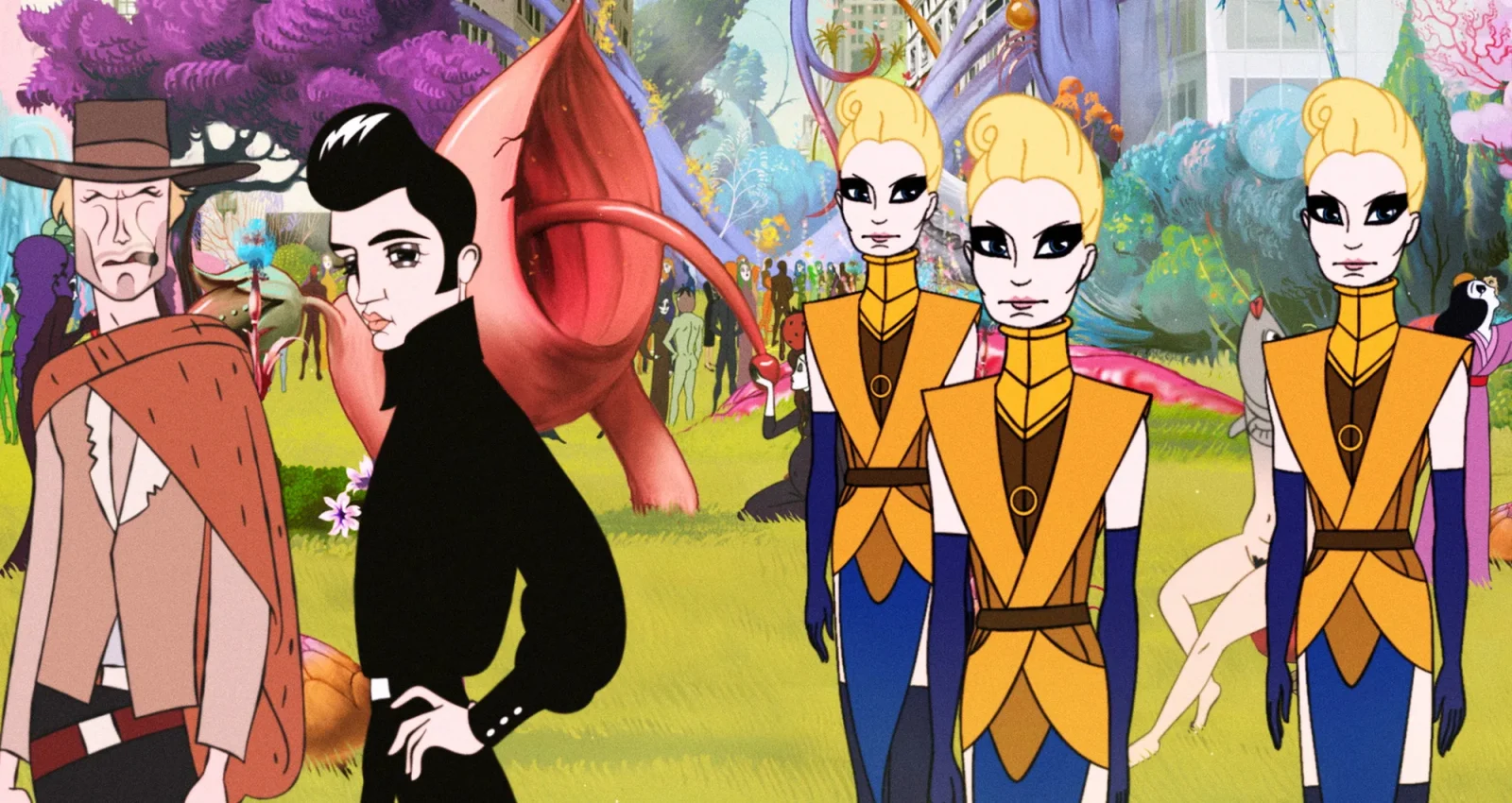
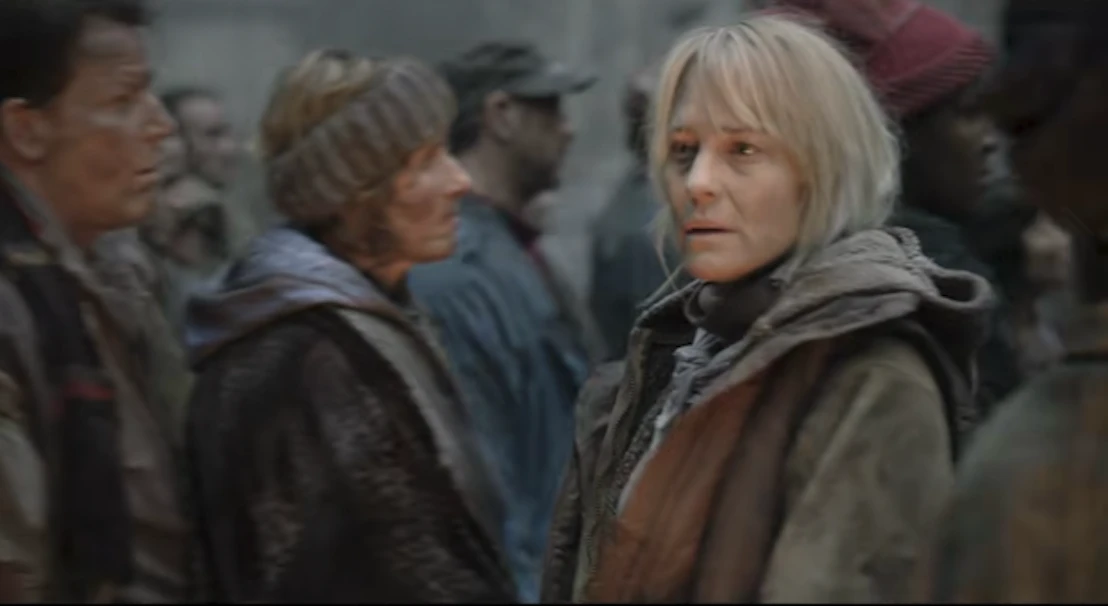
There’s a movie that takes this much further: The Congress, from 2013, with Robin Wright playing a version of herself. Most people talk about VR as something we’ll have on top of real life, a headset, a game, a concert from the couch. The movie assumes that everyone ends up living inside the simulation, all the time, using drugs to forget that it’s a simulation, and to forget that out in the real world there’s a scarcity problem they should be caring about.
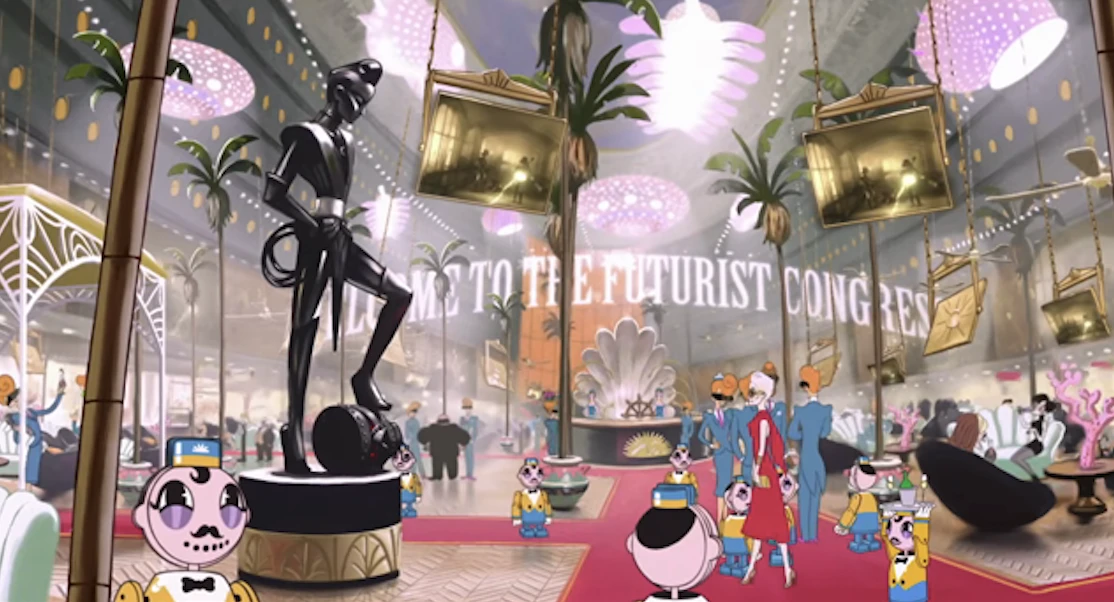
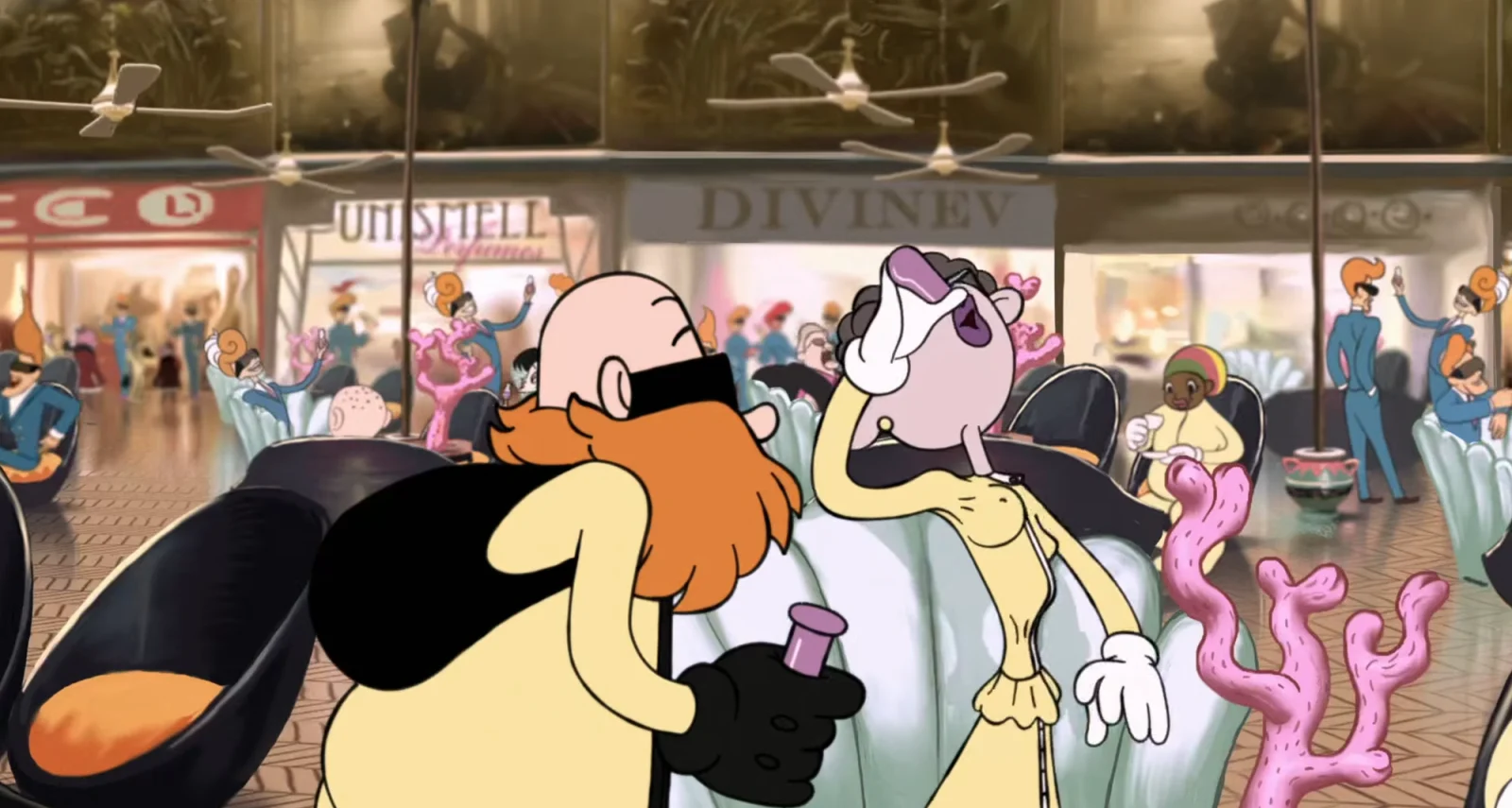
I don’t think most people would agree with that. I do. It’s a very bold, wild prediction, and the more I think about it, the more sense it makes.
It doesn’t answer my question, though. It just moves most people out of it. I still think some people will want the real thing, at least at the beginning.
Why money works at all
So this is the question I keep coming back to. What happens when money has no value? How do people live without money and without work, when there are still limited things that they want?
Right now, the best system we have for deciding who gets the scarce things is capitalism. But capitalism only works when people cooperate: when they believe in it and play by its rules.
The whole monetary system rests on one promise, that you can always progress. You can become an entrepreneur, find some work, earn more, and eventually get the things you want, including the scarce things that others can’t get. Money is worth something because of that promise, and it’s why people accept the rules even when they’re not winning yet.
When the promise breaks
Take work away and you take away the way to progress. At the beginning, I think people will go along. Everything is cheap, the basic income arrives, and life is comfortable.
But once they realize they can’t progress, whatever they do, I think we’ll see some kind of revolt or protest. People will stop playing by the rules of the capitalist system, or of the monetary system as a whole. And money that nobody believes in is worth nothing.
The question nobody answers
I still haven’t heard a solution to the scarcity of limited things that aren’t material. I think most people aren’t thinking it through. They stop at cheap goods and a basic income, and don’t ask what happens next, or what replaces the capitalist system.
I think the smart thinkers and philosophers of our age should be turning their full attention to this. We’re heading toward a future where AI takes the jobs, and we’re going to have to answer this question very soon.
I don’t have the answer. I just think it’s the right question. Let me know what you think.